
Why Is Proper Spa and Pool Wiring Important for Safety, Code Compliance, and Long-Term Performance?
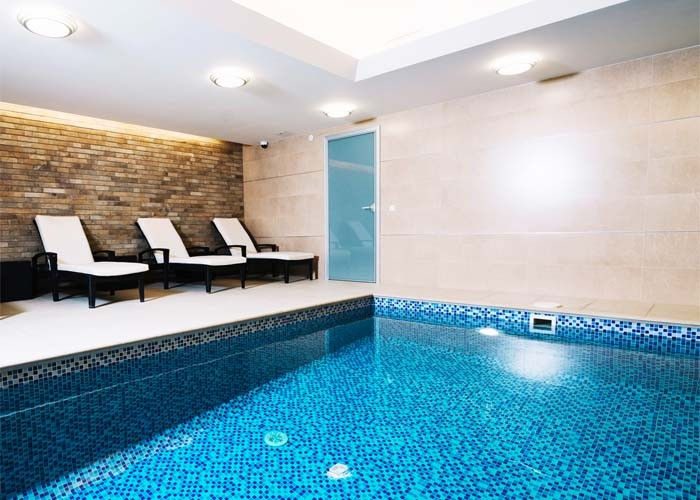
Let's be honest. A backyard pool or spa sounds like a dream come true. After a long week, nothing beats soaking in warm water with the jets running and the lights glowing. But here's the thing: if the wiring behind all of that is not done right, that dream can turn into a nightmare fast.
Spa and pool wiring is not something you want to cut corners on. Water and electricity are a dangerous duo. When they meet under the wrong conditions, the results can be deadly. So before you dive in headfirst, it pays to understand what proper wiring really means and why it matters so much.
Why Is Pool and Spa Wiring Way Riskier Than Regular Home Wiring?
Most wiring in your home stays nice and dry. Pool and spa wiring? Not even close. That one difference changes the whole ball game.
When electrical current leaks near water, it does not just pop a breaker. It can actually energize the water itself. Swimmers can experience sudden muscle paralysis from stray electrical current. This is sometimes called Electric Shock Drowning. And here's the scary part: it can happen in a regular backyard spa, not just a public pool.
So naturally, spa and pool wiring calls for completely different materials and methods. Standard household wire just does not cut it here. You need waterproof conduit, corrosion-resistant parts, and outdoor-rated components. In short, it's a whole different world compared to wiring a bedroom or kitchen.
What Canadian Electrical Codes Apply to Pool and Spa Wiring?
Now, let's get into the rulebook. In Canada, all electrical work must follow the Canadian Electrical Code, or CEC, published by the CSA Group. Specifically, Section 68 covers swimming pools, hot tubs, spas, and similar setups. Provincial bodies like the Electrical Safety Authority in Ontario or BC Safety Authority in British Columbia enforce these rules on the ground.
Here are the big ones every homeowner should know:
● Bonding: All metal parts near the pool or spa must be connected with a bonding conductor. Think ladders, handrails, pump casings, and light fixtures. This keeps voltage even across all surfaces and significantly cuts down shock risk.
● GFCI Protection: Ground Fault Circuit Interrupter breakers are a must for every pool and spa circuit. A GFCI detects the tiniest electrical imbalance and shuts power off in milliseconds. It is, without a doubt, one of the most important safety tools in any aquatic electrical setup.
● Clearance Distances: Outlets, switches, and panels must sit a minimum distance from the water's edge. These are hard rules under the CEC, not just friendly suggestions.
● Proper Grounding: Every single circuit must be grounded correctly. Otherwise, voltage can build up and put anyone in or near the water in danger.
Skipping any of these steps is not worth the risk. Beyond the safety hazards, you could face failed inspections, insurance headaches, and expensive do-overs. None of that is fun to deal with.
How Does Bad Wiring Mess With Your Pool Equipment Over Time?
Here's something a lot of homeowners do not think about until it's too late: wiring directly affects how well your equipment runs and how long it lasts.
Picture plugging a powerful appliance into a tiny, flimsy extension cord. The cord heats up, and the appliance struggles to keep up. That same thing happens when pool pumps, heaters, or jets are connected to the wrong wire gauge or an overloaded circuit. As a result, motors run hotter than they should. Components wear out faster. And your energy bill creeps up even though performance goes down.
On the flip side, proper spa and pool wiring delivers clean, steady power to every piece of equipment. That means your pump runs smoothly, your heater hits the right temperature faster, and your lighting lasts much longer. Put simply, doing it right the first time saves you a ton of money on repairs down the road.
What Does a Professional Pool Wiring Job Actually Look Like?
Whether it's office electrical wiring services or pool and spa work, good electrical jobs always follow a clear, step-by-step process. Here is exactly what a professional installation looks like from start to finish.
Step 1: Site Evaluation. First things first. The electrician visits your property, checks out the pool or spa layout, looks at your electrical panel, and reviews the equipment going in. Distance, existing wiring, and local permit needs all get sorted at this stage.
Step 2: Load Calculation. Every motor, heater, light, and accessory pulls power. The electrician adds it all up to make sure the system can handle the load without overloading your panel.
Step 3: Permits and Approvals. Before a single wire gets pulled, a permit must be filed with your local authority. In Canada, this step is non-negotiable. It guarantees the work will be reviewed and officially signed off by a certified inspector.
Step 4: Installation. Next up, the real work begins. The electrician runs the right conduit, pulls CEC-compliant wire, installs GFCI breakers, sets up bonding and grounding, and connects everything to the panel safely.
Step 5: Inspection. Finally, a certified electrical inspector reviews the completed work. The system only gets powered up after it passes. No exceptions.
Rushing any of these steps is a recipe for trouble. A licensed electrician handles each one correctly, so you do not have to worry about going back and fixing things later.
FAQs
Q: What electrical code covers pools and spas in Canada?
Section 68 of the Canadian Electrical Code (CEC) covers all pool and spa wiring. Provincial bodies enforce these rules locally to make sure every installation meets safety standards.
Q: Do I need a permit for pool or spa electrical work in Canada?
Yes, always. A permit is required before work starts. A certified inspector must then review and approve everything before the system can be switched on.
Q: What is bonding, and why does it matter for pools?
Bonding connects all nearby metal parts with a wire to equalize voltage. It stops dangerous electrical differences from forming that could shock someone in or near the water.
Q: How often should pool and spa wiring be inspected?
At least once a year is a good rule of thumb. Ideally, schedule it before opening your pool or spa for the season. Early checks catch loose connections, corrosion, or failing GFCIs before they become real problems.
Q: Can I use a regular outdoor outlet near my pool or spa?
No way. Standard outlets are not safe around water. All outlets and circuits in these areas must have GFCI protection and meet CEC clearance distance requirements.
Want Your Pool or Spa Wired the Right Way? Reach Out to Today
Look, this is not the kind of job you want to hand off to just anyone. At Atmosphere Electric and Contracting Inc., we know spa and pool wiring inside and out. We handle everything by the book, from permits and bonding to GFCI installation and final inspection. Our team also delivers reliable office electrical wiring services for residential and commercial clients across the region.
We're here to make sure your pool or spa is safe, code-compliant, and built to last. Reach out to us today and let's get things done right, the first time around.

Comments